
Why Nausea and Sleep Changes Can Last After a Concussion

CT Junction Brain & Spine • October 30, 2026

Why Nausea and Sleep Changes Can Last After a Concussion

Most people expect a headache after a concussion. Fewer expect to feel queasy for weeks, or to suddenly struggle with falling asleep, staying asleep, or waking up rested. Yet nausea and sleep changes are both common concussion symptoms, and for some patients in Waterbury and across Connecticut, they linger well after the injury.

Understanding why these symptoms persist is the first step toward getting the right care.

What Causes Ongoing Nausea After a Concussion?

Nausea after a concussion is often tied to how the brain processes balance and visual information. Your eyes, inner ear (vestibular system), and neck all send signals that the brain combines to keep you steady. When a concussion disrupts that process, the signals can conflict, which may cause motion sickness-like nausea, especially when reading, scrolling, riding in a car, or moving your head quickly.

Why Concussions Can Disrupt Sleep

Sleep changes are a recognized concussion symptom. Some people sleep much more than usual, while others have trouble falling or staying asleep. Headaches, neck pain, and a nervous system that feels "on edge" can all make rest harder. Poor sleep can then worsen brain fog, irritability, and headaches, creating a cycle that slows recovery.

When These Symptoms Need a Closer Look

If nausea or sleep problems continue beyond the first few weeks, return after activity, or affect your daily life, an evaluation can help identify the cause. Repeated vomiting or worsening symptoms should be checked by emergency care right away.

How CT Junction Brain & Spine Can Help

Our team evaluates the systems that commonly drive lingering symptoms, including eye tracking, balance, and neck function. Depending on your findings, care may include vestibular rehabilitation, eye training therapy, and neurological rehabilitation.

Frequently Asked Questions

  • Is it normal to feel nauseous weeks after a concussion?

    It can happen, but it is a sign worth evaluating. Lingering nausea is often linked to problems with balance, eye movement, or neck function rather than the original injury itself. An evaluation can pinpoint which system is involved so treatment can target it directly.

  • Why do I feel sick when I read or look at my phone after a concussion?

    Reading and scrolling require precise eye movements. After a concussion, those movements may not coordinate well with your balance system, which can trigger nausea, dizziness, or headaches. See our post on why screens make concussion symptoms worse.

  • Can a concussion cause insomnia?

    Yes. Trouble falling asleep, staying asleep, or sleeping more than usual are all recognized concussion symptoms. Pain, headaches, and changes in how the nervous system regulates rest can contribute. If sleep problems persist, mention them during your evaluation.

  • Does poor sleep slow down concussion recovery?

    Poor sleep can make recovery harder. When you are not resting well, symptoms like brain fog, irritability, and headaches often feel worse. Addressing the issues that disrupt sleep is an important part of a complete recovery plan.

  • When should I see a specialist for lingering concussion symptoms?

    If nausea, sleep changes, or other symptoms last more than a few weeks or keep returning, it is a good time to schedule an evaluation. You can read more about typical concussion recovery timelines.

  • How long does nausea usually last after a concussion?

    For many people, nausea improves within the first few days to weeks. If it continues beyond a few weeks or returns with reading, screens, or car rides, it may point to a balance or visual processing issue that benefits from an evaluation.

  • Why do I feel sick when reading or scrolling after a concussion?

    Reading and scrolling require precise eye movements. After a concussion, the eyes, inner ear, and neck may send conflicting signals to the brain, which can trigger motion sickness symptoms like nausea and dizziness.

  • Is it normal to sleep more or less after a concussion?

    Yes. Some people sleep much more than usual, while others struggle to fall or stay asleep. Ongoing sleep changes can slow recovery, so they are worth addressing if they last more than a few weeks.

  • Can poor sleep make other concussion symptoms worse?

    Yes. Poor sleep can increase headaches, brain fog, irritability, and difficulty concentrating, which can make recovery feel slower.

  • When should nausea after a concussion be treated as an emergency?

    Seek emergency care right away for repeated vomiting, worsening headache, confusion, slurred speech, weakness, or increasing drowsiness.

Schedule an Evaluation in Waterbury, CT

You do not have to wait it out. CT Junction Brain & Spine offers data-driven, non-pharmaceutical concussion care at two Waterbury locations and accepts most major insurance plans. Contact us today to book your visit.

Man in blue shirt grimacing and holding his neck while sitting in a car seat
By CT Junction Brain & Spine • October 30, 2026
Diagnosed with a concussion after a car accident? Learn what to do after the ER visit and when to see a concussion specialist in Waterbury, CT.

Adult reviewing insurance paperwork at a kitchen table with car keys nearby
By CT Junction Brain & Spine • October 30, 2026
Injured in a Connecticut car accident? Learn how at-fault insurance, MedPay, and health coverage work so you can get concussion and injury care in Waterbury.
Two men shaking hands in a bright office lobby with a couch and abstract wall art.
By CT Junction Brain & Spine • July 8, 2026
See why CT Junction Brain & Spine holds a 5-star rating in Waterbury, CT. Real patient reviews on concussion care, chiropractic, and neurological rehab.

Woman holding her head with eyes closed, showing pain or stress against a gray background
By CT Junction Brain & Spine • May 12, 2026
Learn why busy places can cause dizziness after a concussion. Explore effective rehab strategies at CT Junction Brain & Spine.
Man holding his temples with eyes shut, grimacing outdoors on a sunny day
By CT Junction Brain & Spine • May 12, 2026
Learn why concussion symptoms come and go instead of staying consistent. Discover common triggers, sensory overload, and how neurological rehab can help stabilize recovery.

Hands cradling a pregnant belly, with a blue shirt and wristwatch visible
By CT Junction Brain & Spine • May 12, 2026
Struggling in crowds after a concussion? Learn why busy environments trigger dizziness and how vestibular and neurological rehab can help improve sensory processing.
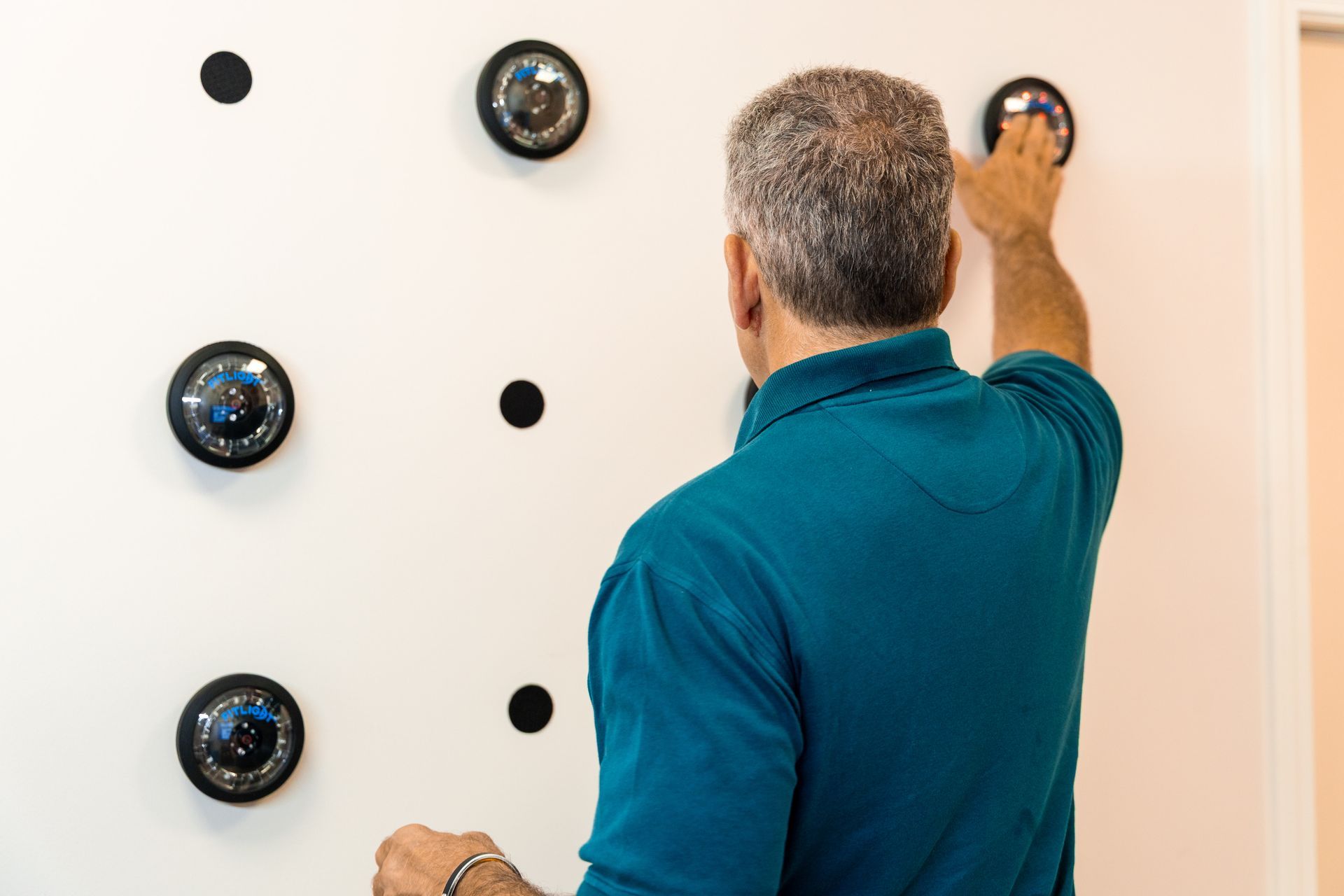
Man reaching up to adjust a round wall fixture on a white wall with other fixtures and black markers
By CT Junction Brain & Spine • May 12, 2026
Learn how neurological rehabilitation differs from physical therapy and why it’s essential for effective concussion recovery.
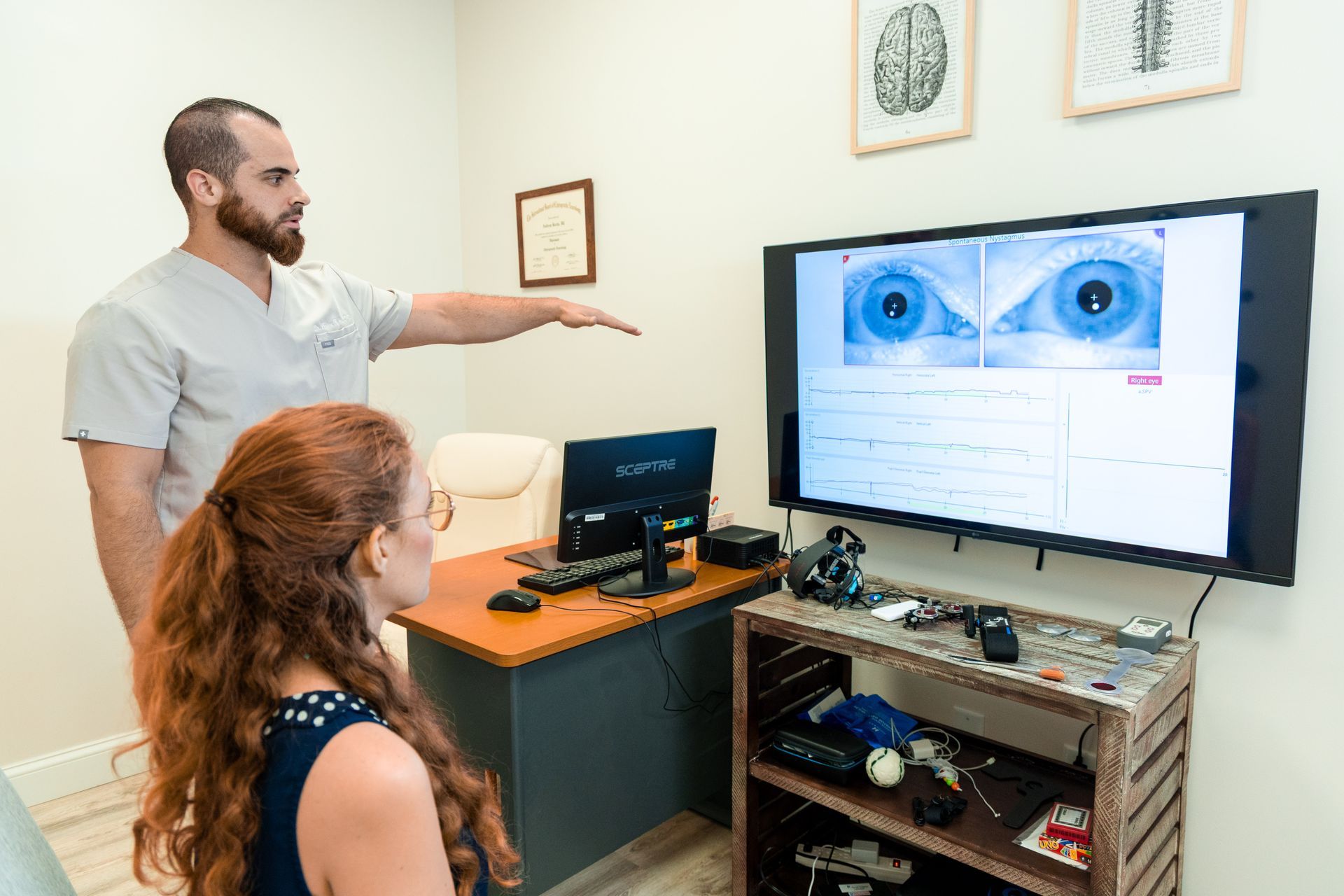
Two people reviewing an eye exam on a large monitor in a clinic office
By CT Brain & Junction • May 12, 2026
Eye movement issues can worsen balance & dizziness after a concussion. Contact us for expert treatment & rehabilitation.

Woman using a laptop in bed, leaning forward with a focused expression in a softly lit bedroom
By CT Junction Brain & Spine • May 12, 2026
Do screens worsen your concussion symptoms? Learn how eye strain, visual processing, and neurological stress impact recovery—and how rehab can help.

Person with head down on open books, surrounded by doodled scribbles, at a desk
By CT Junction Brain & Spine • May 12, 2026
Struggling with brain fog after a concussion? Learn what causes it, why it happens, and how neurological rehab helps restore focus, clarity, and cognitive function.
Show More